
Rebecca's Story: How One Woman's Vision Propelled the Y Forward
On June 6, 1844, George Williams founded the first YMCA in London with the goal of creating a supportive community where young men like himself could find the support needed to face the social challenges of their time with strength and hope. From the beginning, early Y leaders believed that a person’s character shaped their ability to contribute to the community. That belief guided who joined and how the organization grew.
In those early years, the Y admitted only men as members. Women were invited to serve, but only in unpaid positions as teachers, fundraisers, and other supportive volunteer roles. The first YMCA in the United States was established in Boston in 1851. The Brooklyn YMCA, founded shortly after in 1853, was among the first to bring women into the movement in the late 1850s. By 1886, Ellen Bowen became the first recorded female employee, serving as a Boys’ Work Secretary.
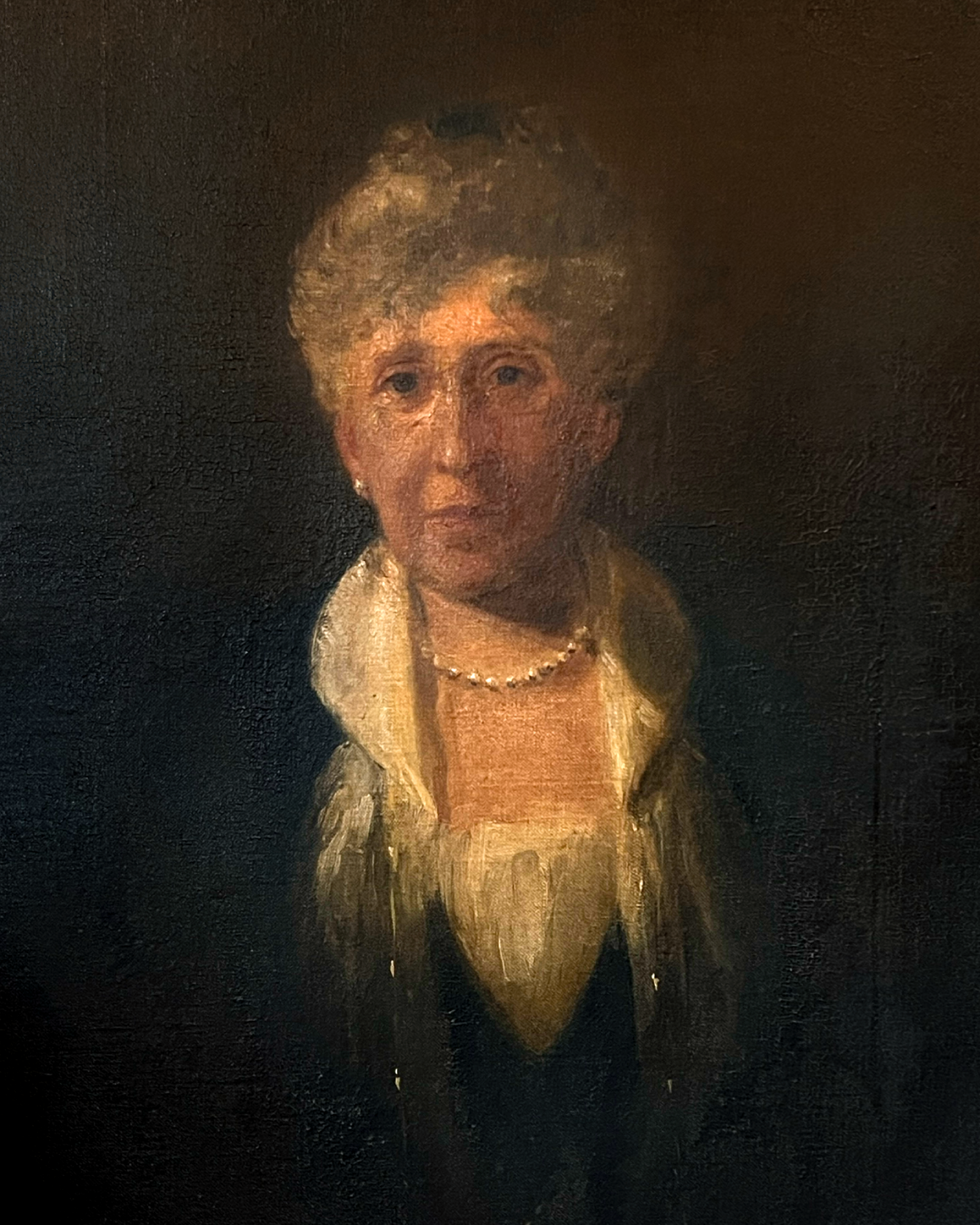
The roots of the YMCA of Greenwich trace back to a woman who saw the movement’s potential to strengthen the community. A. Rebecca Thorne Witherell was born on May 2, 1845. A native of New York City, she was known for her love of music and often attended the opera and other live performances. Rebecca later married Nathaniel Witherell, a New York shipping magnate and real estate developer.
The Witherell family first came to Greenwich in the early 1880s. Nathaniel’s eye for land and community planning eventually made him a leading developer of prominent Greenwich neighborhoods, including Rock Ridge, Belle Haven, and Field Point Park. While the family lived mostly in the city, they became prominent summer residents in Greenwich and attended Christ Church.
At the height of World War I, Rebecca recognized a community need for a place where young boys and men could pursue a healthy and balanced life. Costing $100,000—equivalent to nearly $3,000,000 in today’s value—the YMCA of Greenwich officially opened its doors on November 11, 1916. Designed by M. L. and H. G. Emery and furnished in memory of her husband following his passing in 1906, the East Putnman Avenue facility offered a welcoming home for the Y movement in Greenwich.
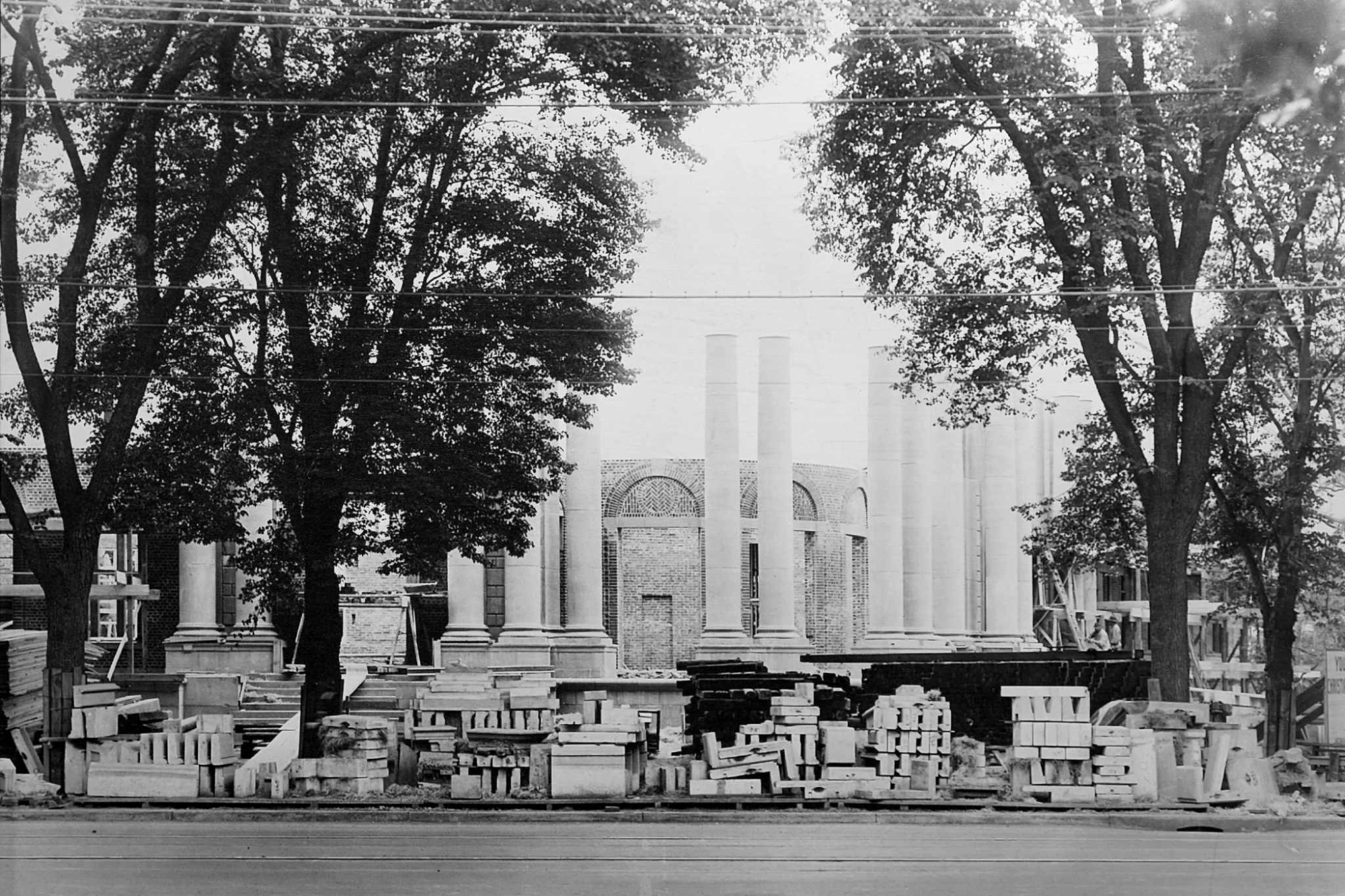
At the time, the YMCA of Greenwich was praised as one of the most beautiful and modern Y buildings in the country. Today, it is listed on the National Register of Historic Places. Its original deed guarantees that it will always serve the Y, preserving its purpose for generations to come.
Until her passing on February 25, 1931, Rebecca faithfully shared her generosity with the Y. In her will, the YMCA of Greenwich received an additional $250,000—equivalent to over $5,300,000 in today’s value. She requested that one-fourth of this gift help care for the facility’s upkeep, and the rest to support the Y’s educational programs.
Rebecca was laid to rest on February 27, 1931, with services held in her honor at St. Bartholomew’s Church in the city. The following statement was released by then YMCA of Greenwich President Leonard S. Clark:
“The town of Greenwich has lost one of its foremost citizens and one who has been intimately connected with the better development of our town for a great many years. Her loss should stimulate every good citizen to a greater interest in the work she so ably started.”
Six years after her passing, women gained the right to join the YMCA of Greenwich as full members in 1937. By 1946, around 62% of Ys across the United States welcomed women. By 1978, the Y officially ended gender discrimination, ensuring equal access for everyone. Today, the movement embraces people of all ages, backgrounds, and walks of life, giving them the opportunity to reach their full potential with dignity.
There is no place like the YMCA of Greenwich. It is because of people who believe in the Y’s mission, people like Rebecca Witherell, that here is a safe place for the community to come together to learn, grow, and thrive. No matter the amount, a gift to the YMCA of Greenwich helps ensure that this legacy of impact continues for generations to come.
_(1).png)
We are grateful to the historians and archivists at the Greenwich Historical Society, the Greenwich Library, Christ Church, and St. Bartholomew’s Church for helping uncover the historical records that shape the YMCA of Greenwich’s story. If you notice any factual errors, please reach out to our marketing team at marketing@gwymca.org.